
Many homeowners do not think about junction boxes until they appear in a home inspection report or during a remodeling project. In many cases, contractors often tuck them away behind walls, ceilings, or insulation, making them easy to forget.
However, junction boxes are one of the most important safety components in a residential electrical system.
Therefore, if you own a home, are buying one, or are planning upgrades, understanding what a junction box is and why it matters helps you avoid electrical hazards, failed inspections, insurance concerns, and unexpected repair costs.
What Is a Junction Box?
A junction box is an enclosed container that safely houses electrical wire connections.
Any time electricians join, splice, or redirect wires, they must protect those connections inside a junction box.
The box shields sparks, heat, and loose wires from coming into contact with flammable materials like wood framing or insulation.
In other words, electrical codes require junction boxes because exposed wiring connections cause many residential electrical fires.
As a result, the National Electrical Code requires that all wire splices must be contained within an approved electrical box and remain accessible.
What Does a Junction Box Do in a Home?
A junction box protects wiring connections and prevents electrical hazards.
At its core, a junction box serves four critical purposes:
- Contains wire connections in a fire-resistant enclosure
- Prevents sparks from igniting nearby materials
- Protects wires from physical damage and moisture
- Keeps people from accidentally touching live wiring
More specifically, a junction box’s vibration, temperature changes, and aging materials can loosen wire connections over time.
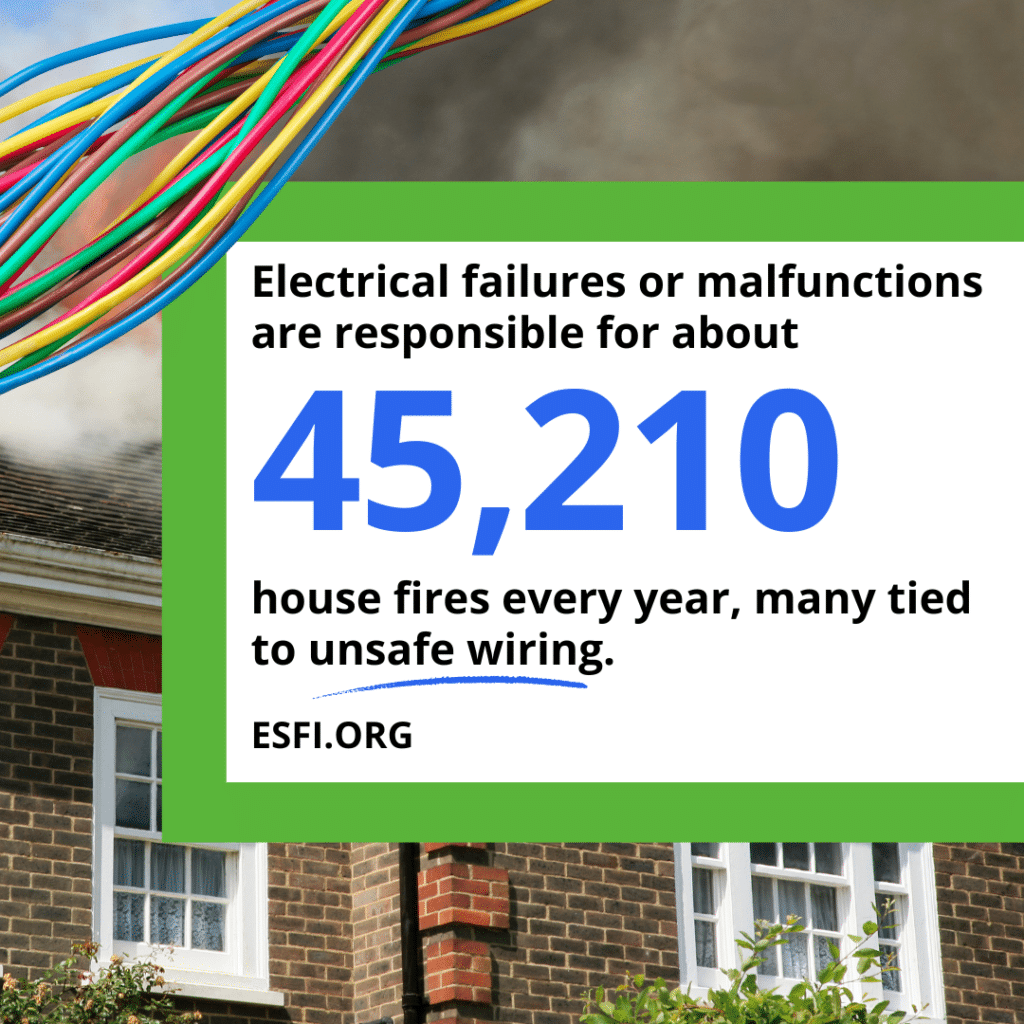
According to the Electrical Safety Foundation International, electrical failures or malfunctions are responsible for 45,210 house fires every year, many tied to unsafe wiring connections.
Junction boxes exist to reduce these exact risks.
Where Junction Boxes Are Commonly Found?
Junction boxes are found anywhere electrical wiring connects or branches.
In most homes, you will find junction boxes in:
- Attics, often buried under insulation
- Basements and crawlspaces
- Garages and utility rooms
- Inside walls behind outlets and switches
- In ceilings supporting light fixtures or fans
In older homes, including many found throughout Pennsylvania, junction boxes may have been covered over during renovations decades ago.
As a result, finished basements and remodeled ceilings are especially common areas where junction boxes become buried, which is no longer allowed under current electrical standards.
Junction Boxes in Pennsylvania Homes
Junction box issues are especially common in Pennsylvania homes due to age, renovations, and regional construction trends.
Pennsylvania has a large number of older homes, many built before modern electrical standards were established.
While these homes often have solid construction, their electrical systems may include outdated junction boxes or modifications that no longer meet current safety expectations.
Older Housing Stock and Legacy Wiring
Many Pennsylvania homes built before the 1970s were wired using older materials and methods. Junction boxes in these properties may:
- Be undersized compared to modern standards
- Lack of grounding in metal boxes
- Contain brittle or aging insulation
- Show signs of corrosion in basements or crawl spaces
Therefore, even if these systems were compliant at the time of installation, they may now pose safety concerns or inspection issues.
Finished Basements and Renovation Patterns
Finished basements are extremely common in Pennsylvania, especially in suburban and older urban areas. In particular, junction boxes are often:
- Covered by drywall or paneling
- Buried behind drop ceilings
- Hidden above the newly installed insulation
These buried boxes are one of the most frequent electrical defects noted during home inspections.
Many times, electrical codes require junction boxes to remain accessible at all times, regardless of when the work was completed.
Moisture and Environmental Factors
Basements and crawl spaces in Pennsylvania are prone to moisture due to soil conditions, seasonal humidity, and older foundation designs.
Due to these conditions, junction boxes located in these areas may experience:
- Rust or corrosion in metal boxes
- Moisture intrusion affecting wire connections
- Deterioration of older box materials
Therefore, moisture-related damage increases the risk of loose connections and electrical failure over time.
DIY Electrical Work in Older Homes
Older Pennsylvania homes often show signs of do-it-yourself electrical work completed over decades. In many cases, inspectors commonly find:
- Improper wire splices outside of junction boxes
- Mixed wiring types inside the same box
- Non-rated boxes used for heavier loads
Additionally, these issues are not always immediately dangerous but do represent elevated risk and are typically flagged for correction.
Why This Matters for Pennsylvania Homeowners
Because many Pennsylvania homes combine older wiring with modern electrical demands, junction box safety becomes even more important. Identifying issues early through a professional inspection helps homeowners:
- Reduce fire and shock risks
- Plan upgrades strategically
- Avoid surprises during real estate transactions
- Improve long-term electrical reliability
As a result, junction box evaluation remains a critical part of residential home inspections across Pennsylvania.
What Types of Junction Boxes Exist?
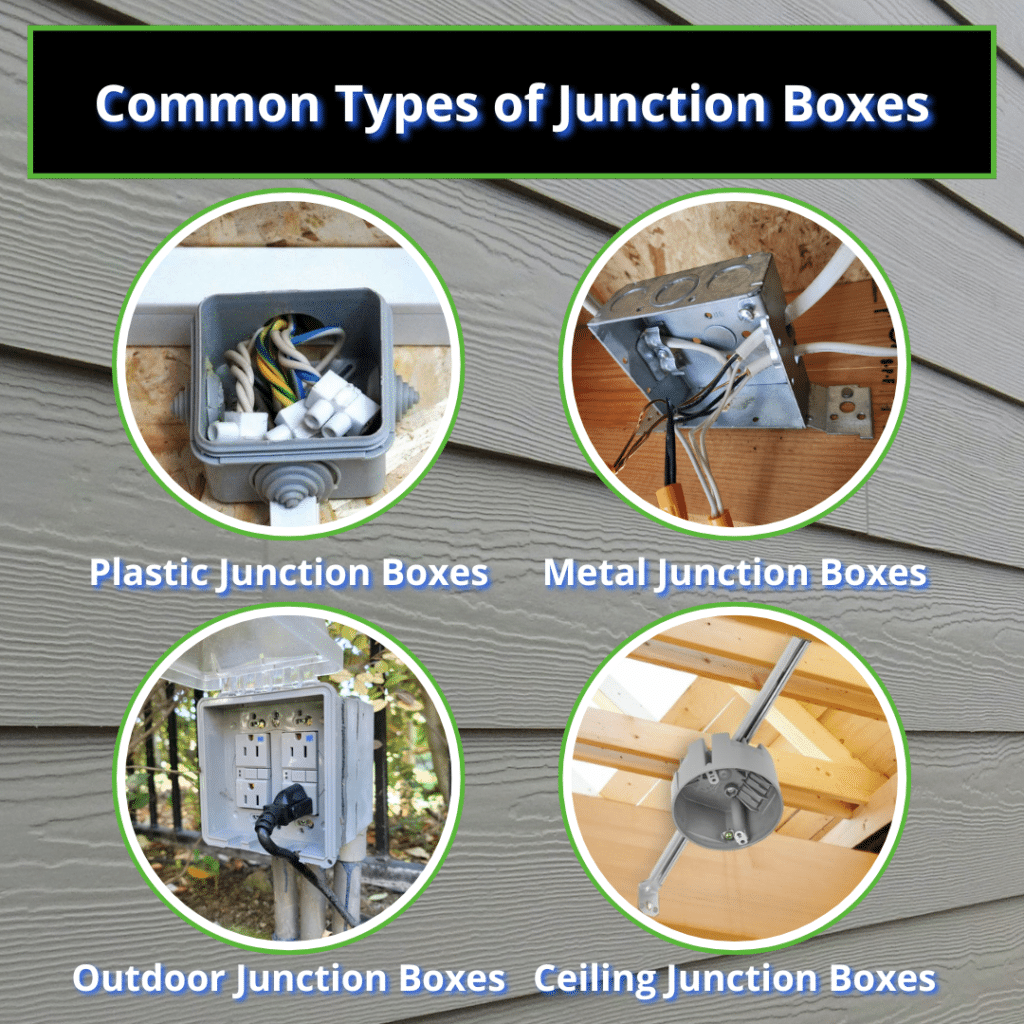
Different junction boxes are designed for different environments and loads. Below are some of the most common types of junction boxes.
1. Plastic Junction Boxes
Plastic boxes are common in residential construction and are lightweight, affordable, and corrosion-resistant.
In addition, they are typically used indoors with non-metallic wiring and are not suitable for outdoor or exposed locations.
2. Metal Junction Boxes
Metal boxes offer added durability and are often required in certain applications. They are commonly found in garages, basements, and areas where wiring is exposed.
Therefore, metal boxes must be properly grounded to reduce shock risk.
3. Indoor vs Outdoor Junction Boxes
Outdoor junction boxes are weatherproof and sealed to protect against moisture, snow, and humidity.
As a result, indoor boxes are not designed to withstand water exposure and should never be used outdoors.
4. Ceiling and Wall Junction Boxes
Ceiling-rated boxes are designed to support light fixtures and ceiling fans, while wall boxes are used for switches and outlets.
This often happens when using the wrong box type, which can lead to safety concerns and inspection issues.
Common Junction Box Types and Uses
| Junction Box Type | Typical Location | Primary Purpose |
| Plastic indoor box | Walls and ceilings | Standard wiring connections |
| Metal box | Garages and basements | Added durability and grounding |
| Weatherproof box | Exterior walls | Outdoor lighting and outlets |
| Ceiling-rated box | Ceilings | Light fixtures and fans |
Why Junction Boxes Matter During Home Inspections?
Junction boxes are closely evaluated during home inspections because they often reveal hidden electrical risks.
During an inspection, visible junction boxes are checked for:
- Proper covers and fasteners
- Accessibility and visibility
- Secure and organized wiring
- Signs of overheating or damage
- Compliance with modern safety standards
In fact, electrical defects related to junction boxes are among the most frequently cited issues in home inspection reports.
Even if the home functions normally, these issues still represent a safety concern that may need correction.
Common Junction Box Problems Inspectors Find
Most junction box problems stem from outdated installations, DIY work, or incomplete renovations.
Below are the most common issues inspectors encounter, with added context on why each one matters.
1. Missing Junction Box Covers
A missing cover exposes live wiring and allows sparks or heat to escape. Covers also protect wires from dust, insulation, and accidental contact.
Therefore, even if the wiring inside looks neat, an uncovered junction box is considered unsafe and non-compliant.
2. Overfilled Junction Boxes
Each junction box is rated for a specific number of wires. Overfilling a box increases heat buildup and raises the risk of insulation damage or fire.
As a result, overfilled boxes are commonly found where homeowners have added outlets or fixtures without upgrading the box size.
3. Loose or Exposed Wires
Loose connections inside a junction box can lead to arcing, which produces intense heat.
Therefore, exposed wire ends, damaged insulation, or improper wire nuts are all red flags that inspectors document.
4. Junction Boxes Buried Behind Drywall or Insulation
One of the most frequent inspection findings is junction boxes that are no longer accessible.
The most common buried boxes are found in finished basements, remodeled kitchens, and attic spaces insulated after wiring was installed.
5. Improper Splices Outside a Junction Box
Wire splices found outside a junction box are a serious safety concern. This often happens when homeowners extend wiring without installing a new box.
As a result, these splices are unprotected and increase fire risk.
6. Signs of Overheating or Burn Marks
Scorch marks, melted insulation, or a burnt smell inside a junction box indicate overheating.
This may be caused by loose connections, overloaded circuits, or aging wiring. These findings often require immediate professional evaluation.
7. Outdated or Deteriorated Boxes
In older homes, junction boxes themselves may be cracked, rusted, or brittle.
Therefore, metal boxes may show corrosion, while older plastic boxes may degrade over time. Even if the wiring appears functional, the box may no longer provide adequate protection.
Are Junction Box Issues a Safety Risk?
Yes, junction box defects can pose serious fire and shock hazards.
As a result, small electrical issues often worsen slowly and without warning.
Heat buildup, vibration from appliances, and normal aging all increase the likelihood of failure. Junction boxes are designed to contain these risks, but only when installed and maintained correctly.
Can Homeowners Fix Junction Box Issues Themselves?
In general, some minor issues are manageable, but many require a licensed electrician or a home inspection.
Tasks Homeowners Can Often Handle
- Installing a missing junction box cover
- Clearing insulation or debris from around a box
- Labeling circuits for clarity
When Professional Help Is Needed
- Correcting buried junction boxes
- Replacing damaged or outdated boxes
- Rewiring loose or burnt connections
- Addressing overheating or overloaded circuits
When an inspection report notes junction box concerns, following professional guidance helps ensure repairs are done safely and correctly.
How Junction Boxes Affect Home Value and Insurance
Electrical safety issues can impact both resale value and insurance eligibility.
In real estate transactions, buyers often request repairs or credits when junction box defects appear in inspection reports. In some cases, insurance providers may require electrical corrections before issuing or renewing a policy.
Homes with documented electrical safety issues may face delays in closing or increased scrutiny from lenders and insurers.
How Enviroquest Helps Identify Electrical Safety Issues
Professional home inspections help uncover junction box problems before they escalate.
During an inspection, visible electrical components are evaluated for safety concerns, including junction box condition and accessibility. This information helps buyers and homeowners understand potential risks and plan corrective action early.
Identifying these issues upfront supports informed decisions and long-term home safety.
Related Questions
Do all wire connections need a junction box?
Yes. Electrical codes require all wire splices to be enclosed inside an approved junction box.
Can a junction box be hidden behind drywall?
No. Junction boxes must remain accessible for inspection and maintenance.
Are old junction boxes still allowed?
Some older boxes may be allowed, but electrical safety concerns or damage may still require upgrades.
Is a junction box required for light fixtures?
Yes. Light fixtures must be mounted to approved electrical boxes designed for their weight and load.
What are the most common problems with junction boxes?
Missing covers, buried boxes, improper splices, water damage, and signs of overheating are the most common reasons.
Conclusion
Ultimately, understanding what a junction box is and why it matters helps protect your home, your family, and your investment.
While junction boxes may be small, they serve a major role in preventing electrical fires and ensuring safe wiring throughout your home. Paying attention to these details during inspections, renovations, or routine maintenance can prevent serious issues down the road.
If you have concerns about your home’s electrical system or are preparing to buy or sell a property, a professional home inspection can help identify junction box issues and other safety concerns early.
Contact Enviroquest to schedule an inspection and gain peace of mind about your home’s electrical safety.